Our Work
Hospitality & Retail Fit-Out Service in Canberra & Regional NSW
02 / WHAT WE BUILD
Built for the way people gather, shop and return.
From a single counter to a full venue, we build hospitality and retail spaces that support daily service; across Canberra and the ACT.
01
Restaurants, Bar & dining venues
02
Cafés & Specialty coffee shops
03
Supermarkets & Grocery Stores
04
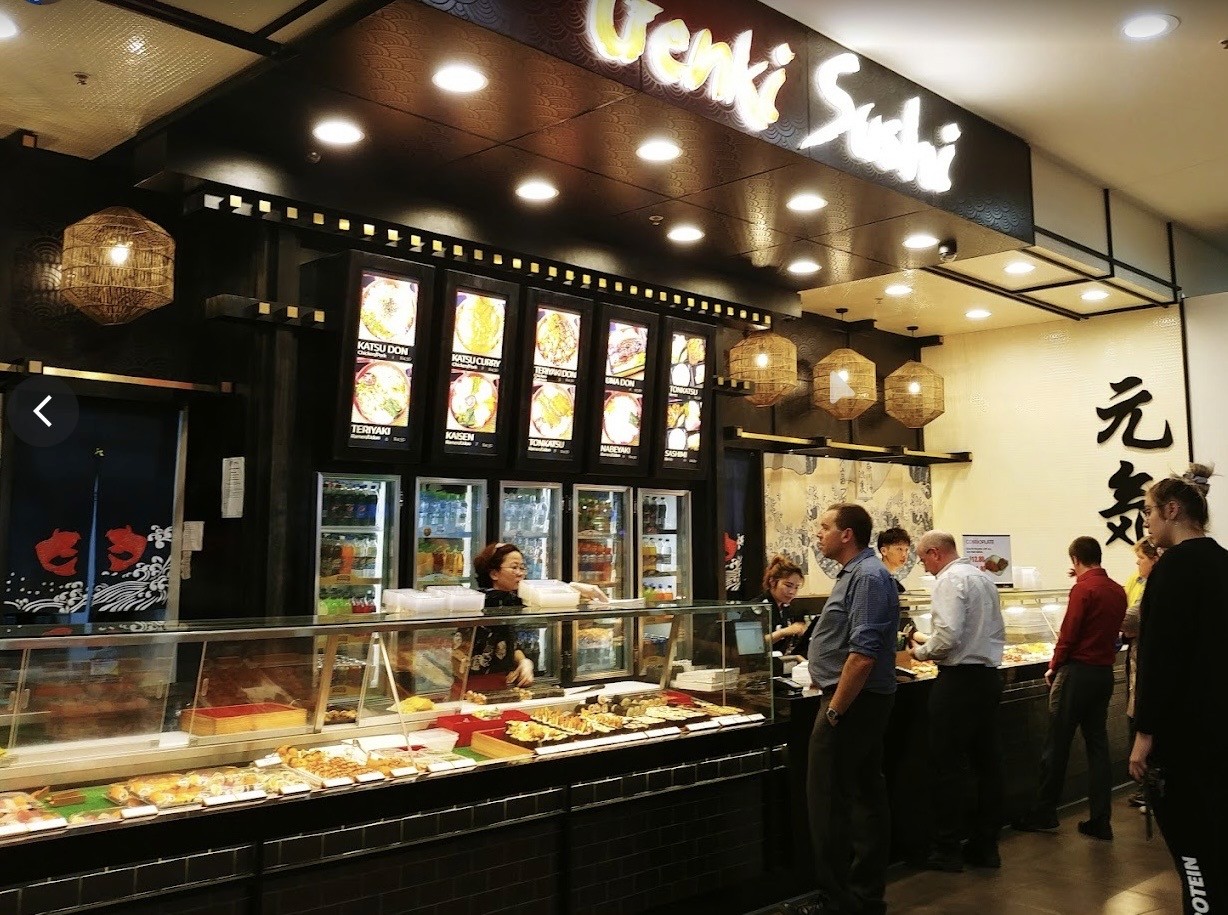
Takeaway & Quick-service
05
Franchise food & beverage outlets & kiosks
06
Fashion, jewellery & specialty retail
03 / OUR PROJECTS
Filter By:
04 / SERVICE GUIDANCE
The decisions that matter before you build
Good hospitality/retail spaces start with the realities of decisions made before the build. These four are worth getting right first.
The existing conditions/shell decides your budget
A bare "cold shell" and a serviced "warm shell" are very different starting costs. knowing the existing servicescan materially change your budget.
Approvals should run alongside the build
05 / COMMON QUESTIONS
Answers for your hospitality or retail fit-out.
Clear answers to the questions operators ask before planning their next space.
How much does a cafe/restaurant fitout cost in Canberra?
Hospitality fit-out costs are usually driven by three things: the condition of the tenancy you start with, how much commercial kitchen and refrigeration you need, and the level of finishes selected. Across many Canberra café, restaurant and bar fit-outs we've delivered, the projects that price most accurately are usually the ones we've seen early — a serviced "warm shell" is a very different starting cost to a bare one. Rather than quote a figure that would be wrong for your space, we'd look at the tenancy first and give you a realistic number to plan around.
Do I need approvals for a hospitality/retail fit-out in the ACT?
Yes, most hospitality fit-outs in Canberra need approvals before construction begins, and food and (for bars) liquor add their own separate steps. A common issue we see is operators progressing well into planning or pricing before understanding what their tenancy actually requires, which can affect timelines later. We help sort the approval requirements early so they run alongside the build rather than holding up your opening.
What do I need to open a food business in the ACT?
At a minimum: registration with ACT Health, a kitchen built to the Food Standards Code — correctly sized exhaust, grease arrestor, hand-wash basins, food-safe surfaces and proper drainage — and a Certificate of Occupancy before you trade. If you're serving alcohol, a separate ACT liquor licence. Across the hospitality venues we've delivered, we build to meet these from the start rather than leaving them to be discovered at inspection.
What's the difference between a cold shell and a warm shell?
A cold shell is a bare tenancy — concrete, no services, no ceiling. A warm shell has base services like power, water and sometimes mechanical already brought in. It's often not spelled out clearly in a lease, and across the fit-outs we've delivered it's one of the biggest single things that moves a budget — so it's worth understanding before you sign. We're happy to read the tenancy with you.
How long does a hospitality fit-out take?
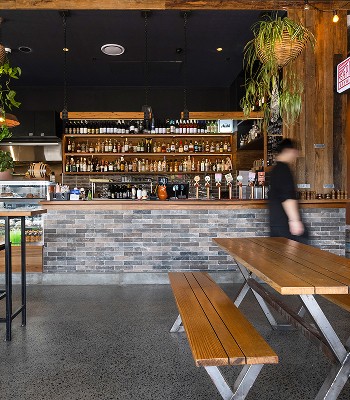
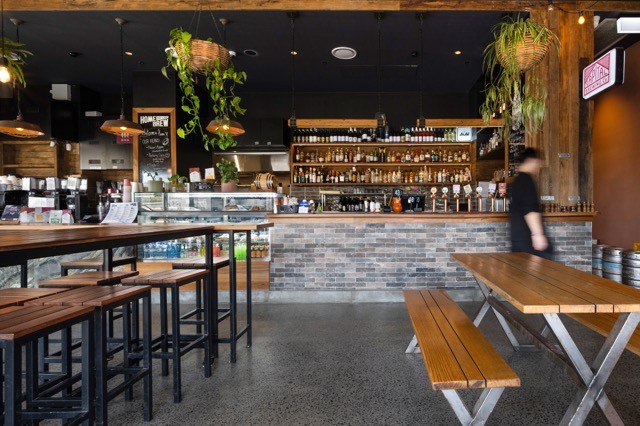
Most hospitality fit-outs run around 8–14 weeks to build depending on scope, with approvals running alongside. Across projects we've delivered — Homebrew in Wright was around 12 weeks — the ones that open closest to plan are usually the ones where approvals and pricing were sorted early. The sooner we're involved, the more realistic your opening date becomes.
I don't have drawings or full-set plans yet, is it too early to engage?
Not at all — that's usually the best time. Across many hospitality fit-outs, the most useful help we give happens before anything's locked in: reading the tenancy, checking what it'll support, and getting the sequence right. You don't need a finished plan to have a useful first conversation.
What actually is Early Contractor Involvement (ECI)
Early Contractor Involvement means bringing the builder into the project during or before the design and planning stages, before the concept is locked in. In practice, we advise from a construction perspective on practical buildability, budget-efficient materials, layouts, and help coordinate approvals. It lets us understand the project early and give you more accurate pricing, which helps avoid the redesigns, approval issues and variations that get discovered mid-build.
Can you renovate or upgrade an existing shop or restaurant while we keep trading?
Yes, many hospitality or retail works are upgrading or refurbishing existing venues. Across the refurbishment we've delivered in live, trading environments, we stage the works and use after-hours window to minimize disruption to the existing business and surrounding environments. We plan the disruption down so you can keep serving customers throughout.