A First-Time Owner’s Guide to Commercial Fit-Outs in Canberra
Branding
Strategy
SEO
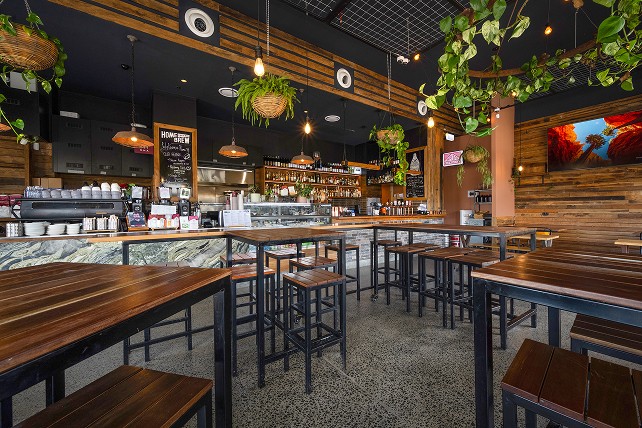
Planning your first commercial fit-out can feel overwhelming — especially when approvals, budgeting, timelines and design decisions all start happening at once. Many first-time business owners begin with only a rough concept, an almost-signed lease or inspiration images online without fully understanding what the next steps should be.
This guide breaks down the commercial fit-out process in a simpler and more practical way to help Canberra business owners better understand approvals, fit-out costs, timelines, planning and the common issues that can affect projects later during construction.
Starting a Commercial Fit-Out for the First Time
Most commercial fit-out projects in Canberra usually begin with:
a tenancy already secured or under negotiation,
a rough floor plan,
an estimated budget,
and a general vision for the business.
At this stage, many business owners are still trying to understand:
whether approvals are required,
whether drawings are needed first,
how much the fit-out may cost,
and who should be engaged before construction can begin.
Across many hospitality, retail and commercial fit-outs we’ve been involved in, the projects that run most smoothly are usually the ones that clarify approvals, layouts and operational requirements early before detailed pricing and construction begin.
Before starting a commercial fit-out, it usually helps all sides to clarify these 3 things early:
1. The Type of Business You’re Opening
The type of business affects approvals, services requirements, layout planning and overall construction complexity.
2. Your Budget Range
A realistic budget early helps align the design direction, material selections and construction scope before expensive revisions begin later during the project.
3. The Existing Tenancy Conditions
The condition of the existing space often has one of the biggest impacts on commercial fit-out costs, approvals, timelines and services coordination.
From our experience across hospitality, retail and medical fit-outs, even simple early discussions around:
tenancy use,
customer flow,
services requirements,
and realistic budgeting
can help avoid expensive redesigns and unnecessary delays later in the project.
Understanding Commercial Fit-Out Approvals in Canberra
Commercial fit-out approvals in Canberra depend on:
the type of tenancy,
the scope of works,
the building classification,
and whether services, layouts or compliance requirements are changing.
Hospitality, retail, office and medical fit-outs commonly require approvals before construction begins, particularly when works involve:
kitchens,
mechanical ventilation,
plumbing upgrades,
fire compliance,
accessibility upgrades,
or tenancy layout changes.
A common issue across many Canberra fit-out projects is business owners progressing too far into planning or pricing before understanding approval requirements properly. This can later affect:
timelines,
redesigns,
landlord coordination,
and construction sequencing.
For shopping centre fit-outs, additional landlord and centre management approvals are often required before works can proceed onsite.
A good starting point is confirming:
the tenancy use,
the proposed layout,
whether existing services are already approved,
and whether the building requires additional compliance upgrades.
Clarifying these items early usually creates a much smoother commercial fit-out process later on.
What Affects Commercial Fit-Out Costs?
Commercial fit-out costs in Canberra are most commonly affected by 3 main areas:
1. Existing site conditions
The condition of the tenancy has a major impact on cost. A space that already has suitable services, layout and compliance conditions will generally be simpler to work with than a tenancy requiring major upgrades.
2. Services and construction complexity
Projects involving kitchens, ventilation systems, plumbing upgrades, electrical upgrades or custom joinery require significantly more coordination than simpler office or retail fit-outs.
3. Design, finishes and documentation
The level of finishes, material selections and how developed the drawings are before pricing begins can significantly affect the accuracy of a commercial fit-out quote.
From our experience across hospitality and retail fit-outs, one of the biggest opportunities to control commercial fit-out costs comes from engaging the builder early during the design and planning stages, before the concept has already been locked in.
Early collaboration between:
the client,
designer,
and builder
creates better alignment between:
realistic budgeting,
operational practicality,
construction feasibility,
and approval requirements
before expensive revisions begin later during the project.
The biggest causes of commercial fit-out cost increases are often:
1. Layout Changes After Planning Begins
Late layout changes often affect approvals, joinery, services coordination, construction sequencing and procurement simultaneously.
2. Design and Budget Not Being Aligned Early
One of the most common issues we see is a concept being developed without fully aligning it with realistic construction costs, operational practicality and services limitations from the beginning.
3. Incomplete Documentation Before Pricing
The less clarity available during quoting, the more assumptions usually need to be made during pricing and construction planning.
One of the most common mistakes first-time business owners make is trying to reduce construction costs after the design has already been developed instead of balancing the design direction and budget properly from the beginning.
Projects tend to run far more efficiently when:
operational workflow,
material selections,
layout planning,
and construction practicality
are coordinated together early to create a realistic and achievable outcome.
Why Early Planning Usually Saves Money Later
Many first-time business owners focus heavily on construction pricing before fully understanding how much the early planning and design stage affects the final project outcome.
Across many Canberra hospitality and retail fit-outs we’ve been involved in, projects usually become far more efficient when:
layouts are properly planned early,
approvals are considered upfront,
operational requirements are clarified,
and realistic budgets are aligned before construction begins.
Early builder involvement can help identify 3 major issues before they become expensive revisions:
1. Practical layout problems
A layout may look good on paper but still create issues with workflow, services, access or construction sequencing.
2. Budget and design misalignment
A strong design still needs to be grounded in realistic construction costs, material choices and site conditions. This is where design and building input need to work together.
3. Approval or service limitations
Some design decisions can affect approvals, ventilation, plumbing, electrical works or fire/accessibility requirements. Identifying these earlier helps reduce redesigns and variations later.
This becomes particularly important in:
hospitality fit-outs,
shopping centre tenancies,
and projects with tight opening deadlines,
where delays and redesigns can quickly affect overall project timelines and operational readiness.
The goal is not simply reducing construction cost — it is finding the right balance between:
design intent,
operational functionality,
construction practicality,
and realistic budgeting
from the beginning of the project through to completion.
What Commonly Delays Commercial Fit-Out Projects?
From our experience, commercial fit-out delays are most commonly caused by 3 issues:
1. Approvals Being Clarified Too Late
Late approvals can affect redesigns, landlord coordination, procurement and overall construction sequencing once projects are already moving forward.
2. Layouts and Scope Continuing To Change
Changing layouts after pricing, approvals or procurement have already started often creates delays across multiple trades and services simultaneously.
3. Incomplete Coordination Between Design, Services and Construction
Commercial fit-outs move far more efficiently when drawings, approvals, operational requirements and construction planning are aligned before works begin onsite.
Across a number of our time-critical hospitality and retail fit-outs, projects have been delivered within roughly 4–8 weeks where key decisions, approvals, layouts, and requirements were clearly confirmed before construction began onsite.
The biggest delays generally happen when major project decisions continue changing after:
approvals,
pricing,
procurement,
and construction sequencing
have already started moving forward.
Commercial fit-outs usually move much more efficiently when:
the scope is clearly defined,
communication remains consistent,
and operational requirements are aligned early between the client, designer and builder.
Choosing the Right Commercial Fit-Out Builder
Choosing the right commercial fit-out builder involves far more than simply comparing pricing.
A commercial fit-out builder should be able to help provide:
realistic guidance,
clear communication,
approvals understanding,
construction coordination,
and practical advice throughout the project.
Across many commercial fit-out projects, issues commonly arise when:
scopes are unclear,
expectations are not aligned early,
or pricing comparisons are made between incomplete documentation and inconsistent inclusions.
When comparing commercial fit-out companies in Canberra, it is important to understand:
what is included in the quote,
what assumptions have been made,
who manages approvals and coordination,
and how communication is handled throughout the build process.
For first-time business owners especially, clearer guidance early in the project usually creates a much smoother overall experience later during construction.
Common Questions About Commercial Fit-Outs
Do I need drawings before requesting a commercial fit-out quote?
No — many first-time business owners begin with only a tenancy plan, rough layout or inspiration images. Early discussions can still help clarify:
feasibility,
budgeting expectations,
approval requirements,
and the next steps required before detailed documentation begins.
How long does a commercial fit-out usually take?
Commercial fit-out timelines vary depending on:
approvals,
landlord coordination,
procurement lead times,
services complexity,
and design completion.
Projects involving kitchens, ventilation systems or major service upgrades generally require additional coordination compared to simpler retail or office fit-outs.
What is included in a commercial fit-out quote?
Commercial fit-out quotes can vary significantly depending on how detailed the documentation and scope are before pricing begins.
Some quotes may only include construction works, while others may also include:
project management,
approvals coordination,
services integration,
and consultant involvement.
Understanding inclusions and exclusions clearly before comparing pricing is extremely important.
Planning a Commercial Fit-Out in Canberra
Whether you already have drawings prepared or are still trying to understand the first steps, early guidance and realistic planning create a smoother commercial fit-out process overall.
Across hospitality, retail, office and commercial environments, the projects that perform best are the ones where:
approvals,
budgeting,
operational planning,
and construction coordination
are aligned clearly from the beginning.